Lace Weight Yarns
 Hand Dyed Sock Yarn
 4 Ply Yarn
 DK / Worsted yarns
 Chunky Yarn
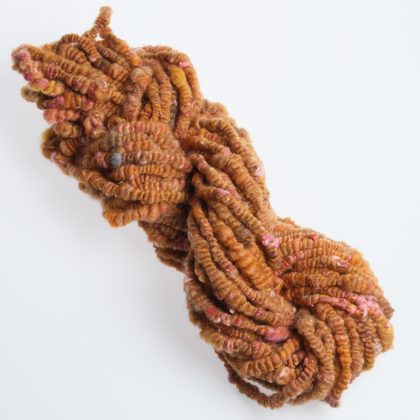 Hand Spun
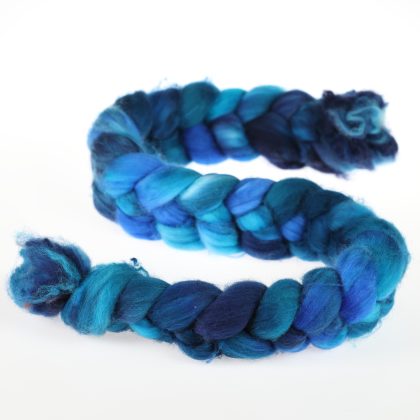 Superfine Merino Fibre
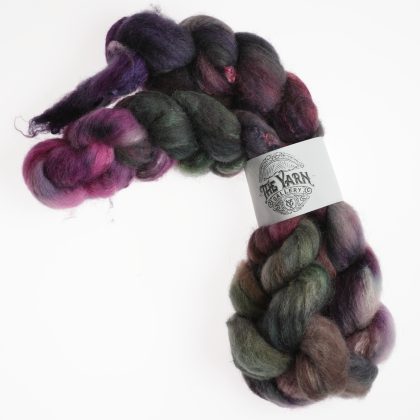 Hand Dyed Shetland & Silk Fibre
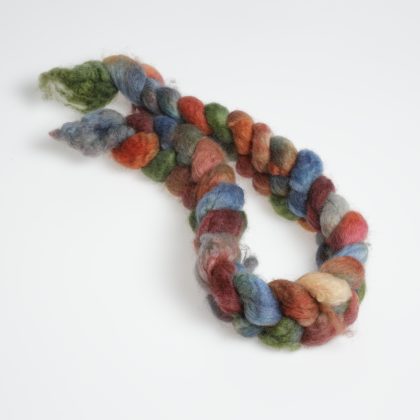 Superwash Bluefaced Leicester
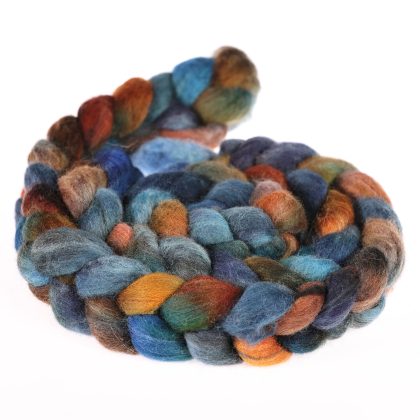 Hand Dyed Shetland Fibre
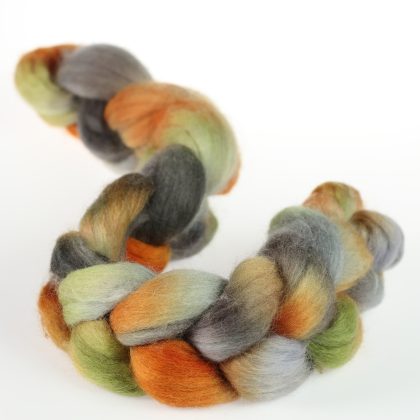 Hand Dyed Corriedale Fibre
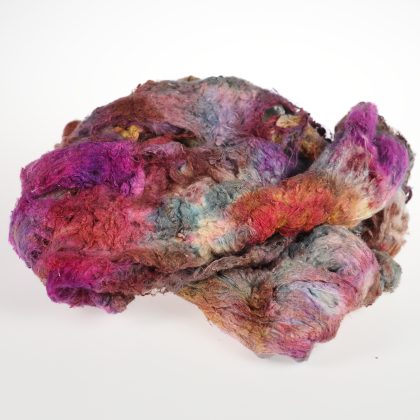 Hand Dyed Silk Noil
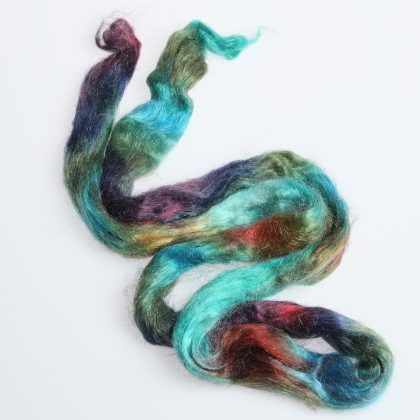 Shimmer Nylon tops
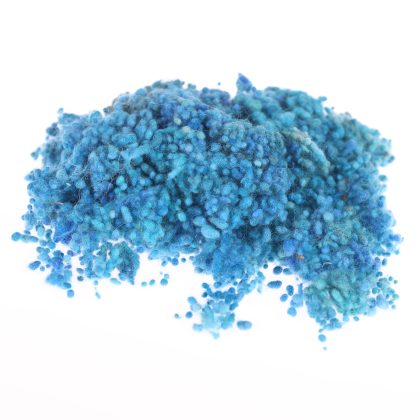 Hand Dyed Wool Nepps
 Buttons
 Accessories
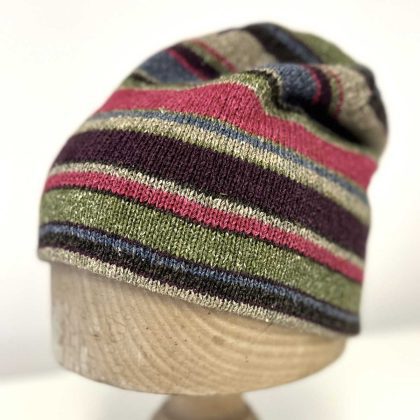 Knitwear
 Hand Woven
Yarn Infomation
How we hand dye yarn

Jul
Last updated on July 15th, 2025 at 11:40 am
How We Hand Dye Our Yarns and Fibres
We’re often asked about how we hand dye yarn and fibre, particularly when people see the range of textures and colours in our skeins, batts, and braids. Every stage of the process is done by hand, in small batches, using carefully chosen dyeing techniques that allow colour and creativity to shine through.
Whether it’s yarn for knitting or fibre for spinning, our goal is to produce colourways that are rich, layered, and full of life—each one unique in its own way.
Dyeing Fibre for Spinning and Art Batts
Before we ever get to yarn, we often begin with loose fibre—tops or carded batts—destined for spinning. These are dyed using similar principles as our yarns, but with techniques adapted for how fibre behaves.
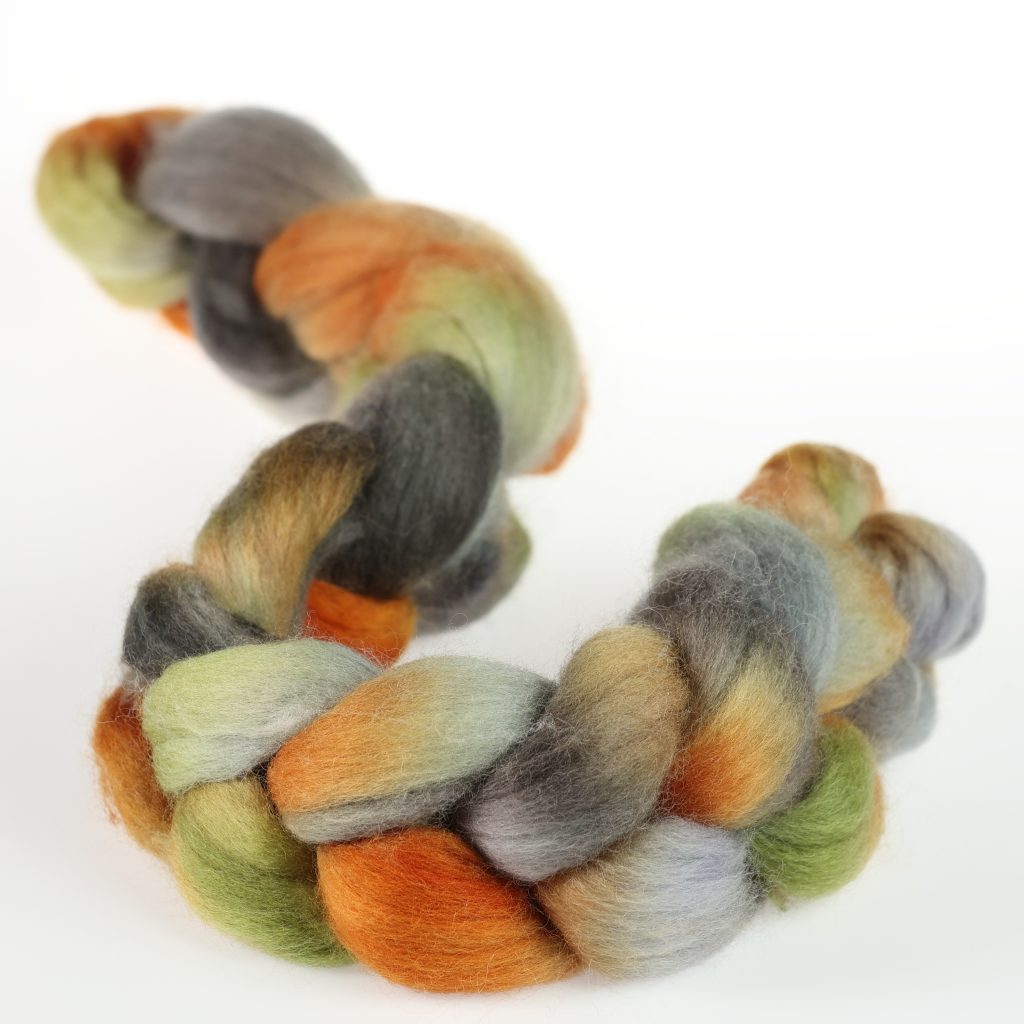
We love working with soft merino, silk blends, Bluefaced Leicester, and other beautifully textured fibres. Some are dyed in solid or semi-solid tones, while others are dyed for art batts, where layering, contrast, and visual texture matter just as much as the fibre content.
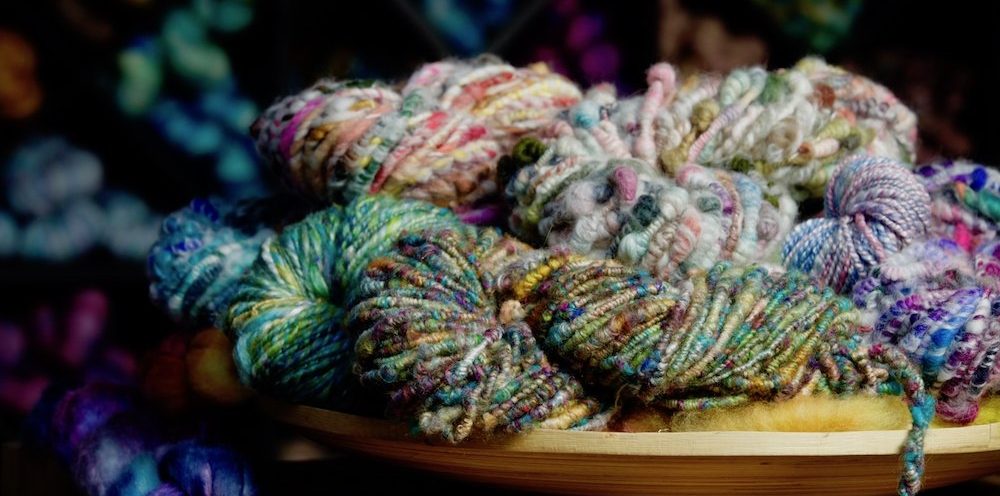
Sometimes we dye fibres individually, allowing colours to saturate and blend in watercolour-like ways. Other times, we apply colour in short bursts to just sections of the fibre to preserve bright spots and high contrast. These hand-dyed fibres are later carded into textured batts—often blended with add-ins like silk noil, sari silk, angelina, or nepps—ready to be spun into expressive, one-of-a-kind yarns.
Yarn Dyeing Techniques
All of our yarns are dyed in small batches, and each skein has its colours applied individually. This means no two are exactly alike—even within the same colourway—though we do aim for consistency across dye lots when needed. Each skein is a small piece of fibre art in itself.
We use commercial-grade acid dyes for their vibrancy and colourfastness. While the term acid dye might sound alarming, it’s actually very safe—the only acid involved is citric acid, the same one found in lemon juice. Soaking the yarn in a mild acidic solution sets the right pH, and then heat is used to bond the dye to the fibre.
Here are a few of the dye methods we regularly use:
Hand Painted Yarns
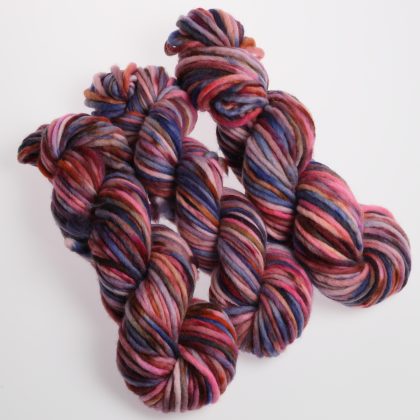
For our hand-painted yarns, the undyed skeins are first soaked in citric acid solution to prepare them for dyeing. Then the dyes are applied directly to the yarn using a brush or squeeze bottle, much like watercolour painting.
This is a fluid, intuitive process—the yarn becomes the canvas. The way the colours blend or remain distinct depends on how wet or dry the yarn is during application. Wet yarns allow colours to bleed and merge softly; better-drained yarn keeps colours more defined.
Once painted, the yarns are steamed to set the colour, then left to cool and rest overnight to ensure full absorption and colourfastness.
Kettle Dyed Yarns
Kettle dyeing gives us rich tonal effects and layered colourways. The yarn is placed into a heated bath containing citric acid, and dye is applied directly into the pot.
We often build up the colour gradually—letting the first dye absorb, then repositioning the yarn and adding more colours. The result is a blend of hues with softly shifting tones and natural variation throughout the skein.
Speckle Dyed Yarns
Speckles have become hugely popular, and for good reason—they add energy, texture, and pops of contrast to even the simplest project.
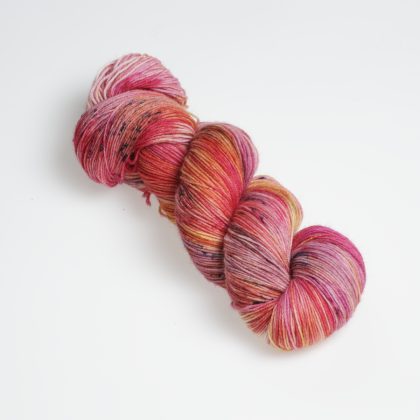
To create speckles, we carefully sprinkle small amounts of undissolved powdered dye onto sections of pre-soaked yarn. This must be done gently and with control, to avoid the speckles dissolving too quickly and running into muddy patches. Some speckled skeins also include washes of colour underneath, creating layers of depth and surprise.
Semi-solid colours
As part of our growing range, we’re now also dyeing semi-solid colourways to coordinate beautifully with our variegated yarns. These subtle tonal skeins are perfect for grounding more colourful projects, adding contrast, or creating soft fades within the same palette. They offer even more flexibility when planning your next spinning, weaving, or knitting adventure.
Whether it’s a vivid braid of spinning fibre, a wild textural batt, or a skein of hand-painted yarn, everything we dye is done with care, attention, and a touch of artistic instinct. No two dye days are ever quite the same, and that’s part of the joy of it.